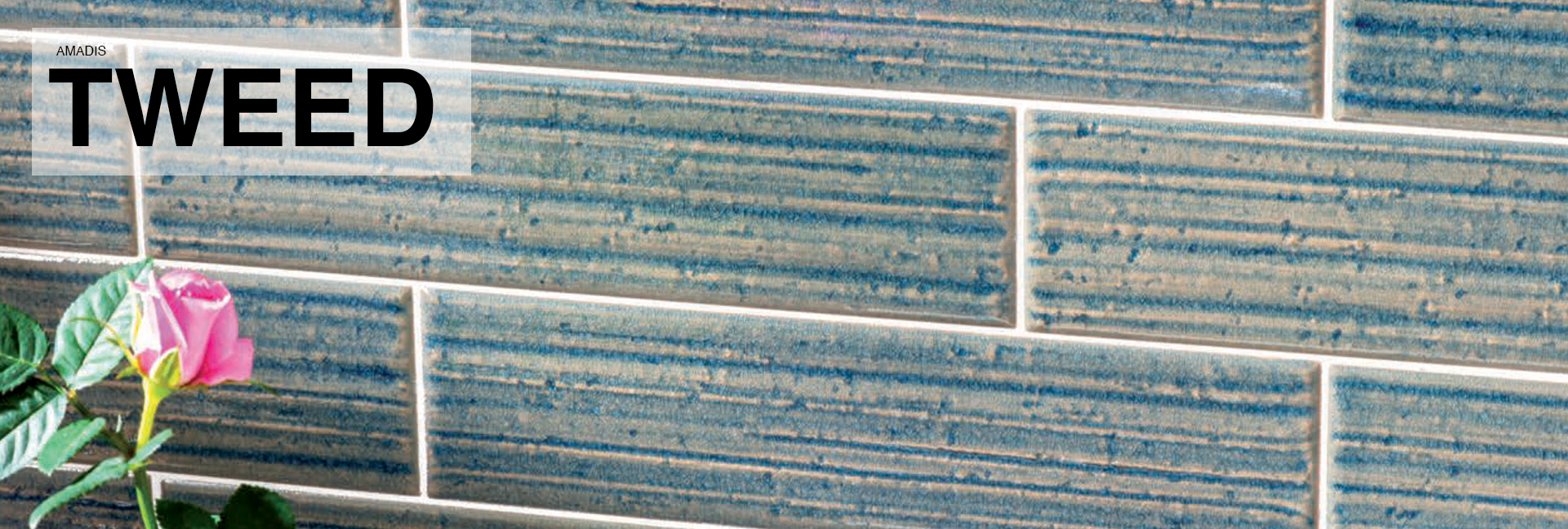
Amadis Tweed | Spanish Porcelain Wall Tile
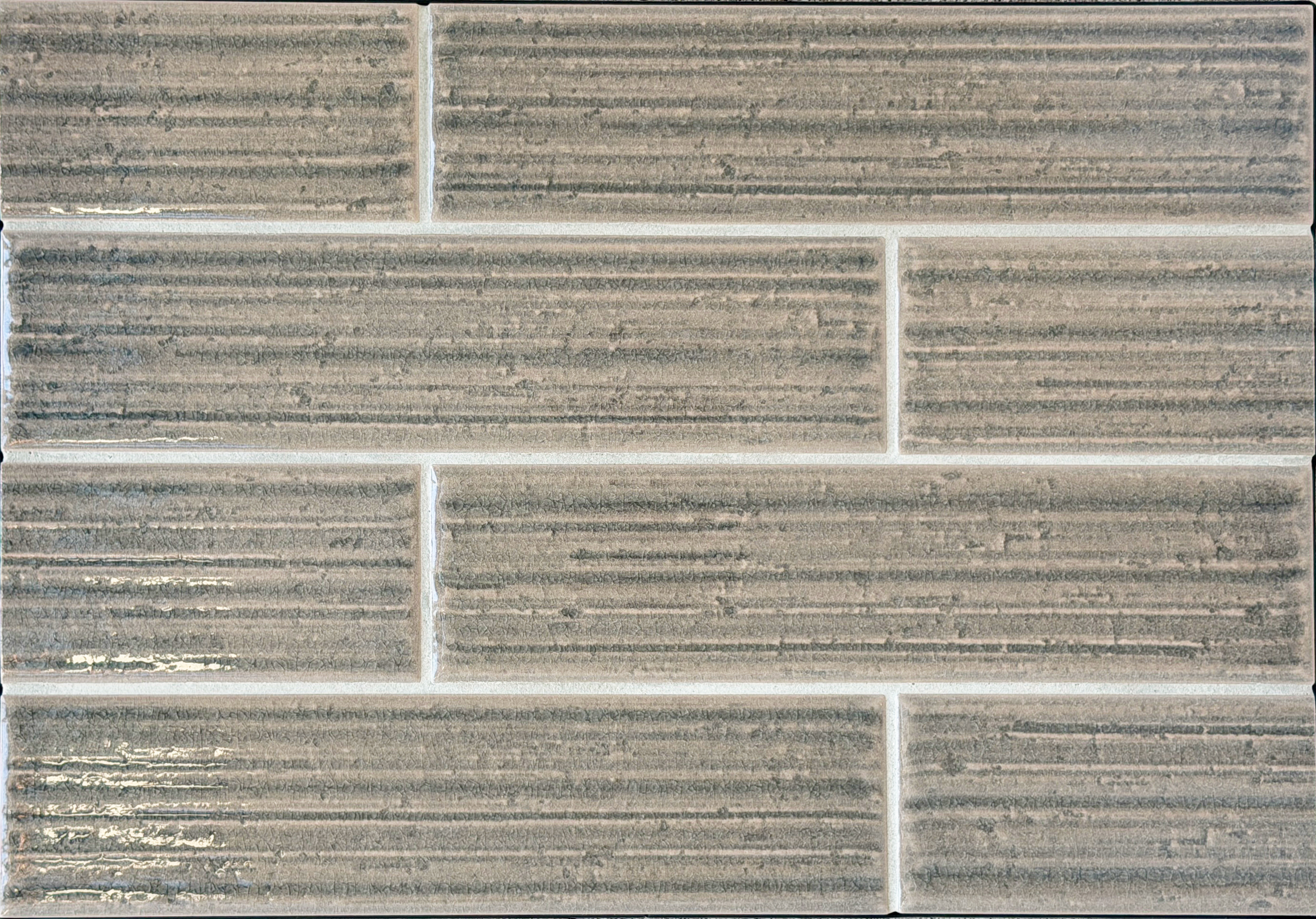
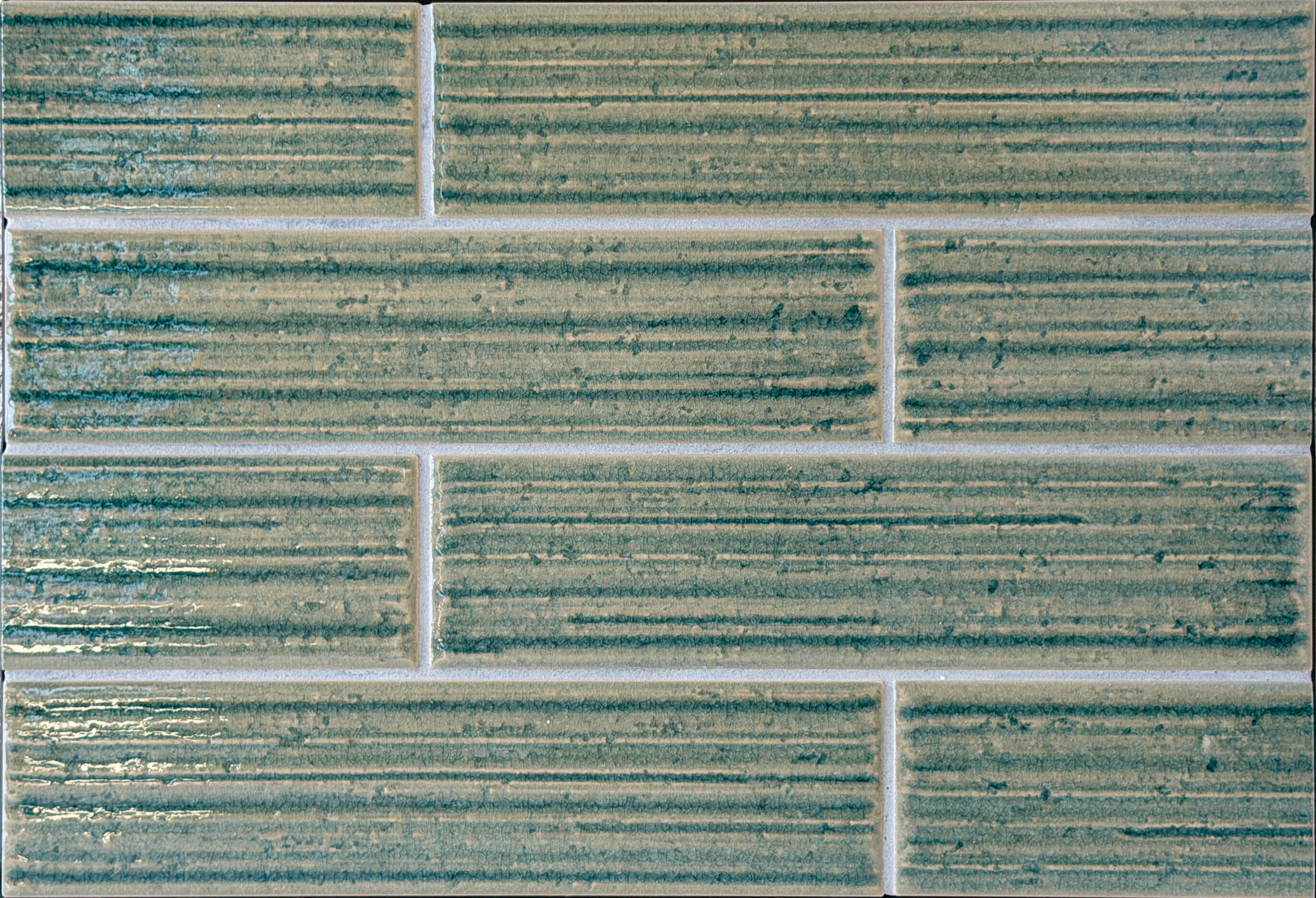
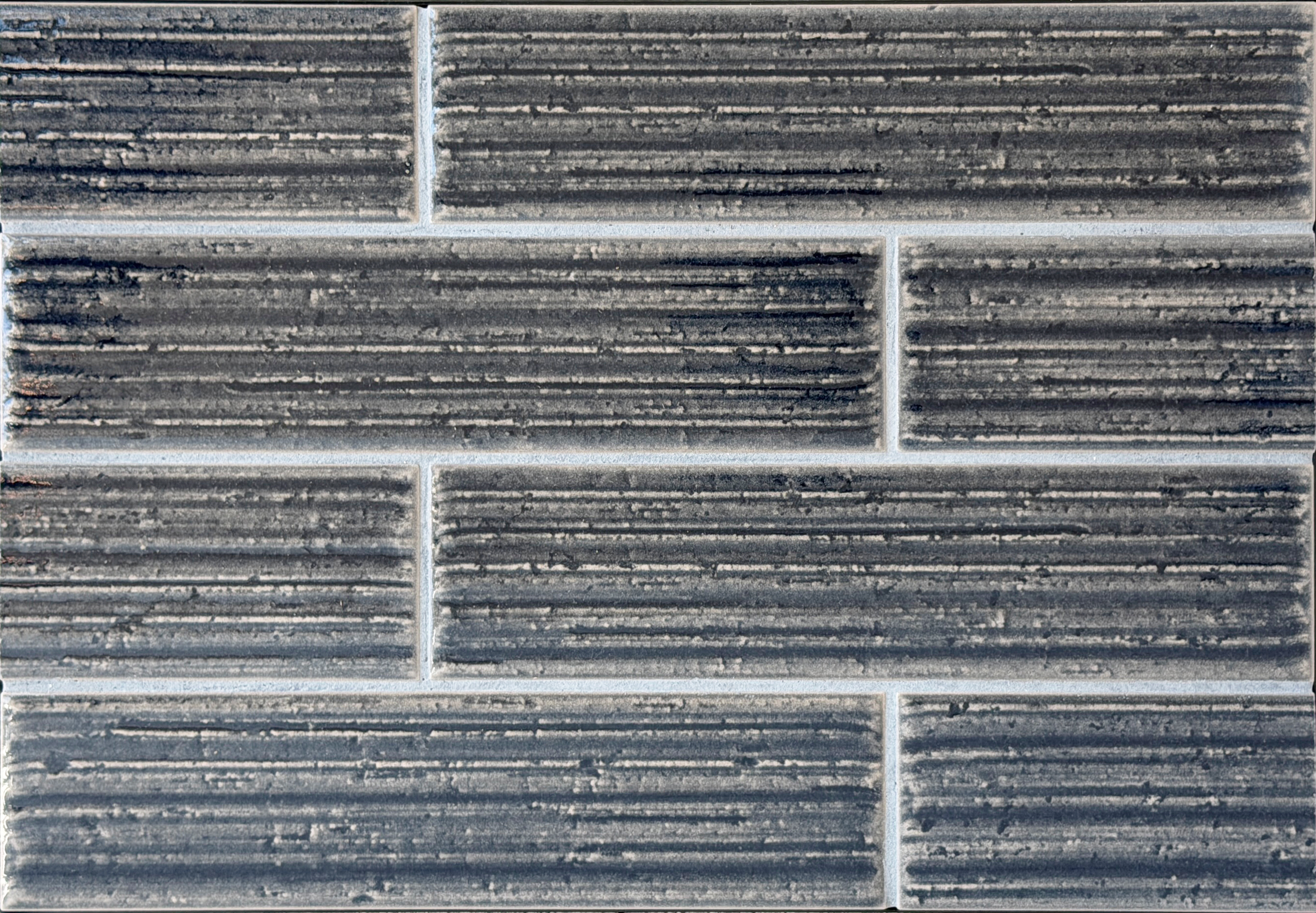
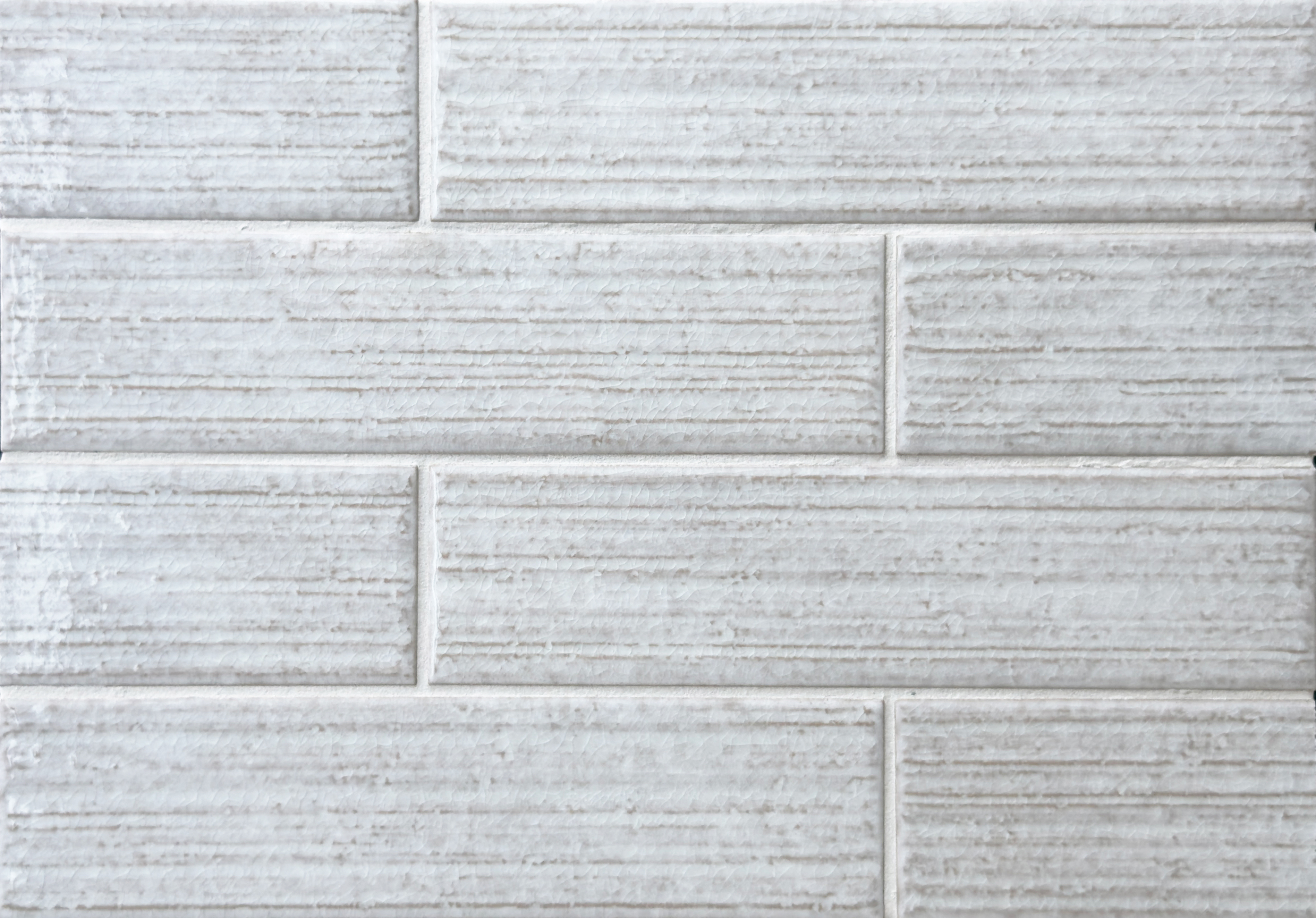
Amadis Tweed is a porcelain tile made by traditional ceramic techniques that create a hand-crafted look. The bisque has a linear surface structure that is achieved by using 6 different molds. The factory used reactive glazes especially developed to create a craquele effect. The glazes are applied directly onto the bisque (without engobe) so the color of the bisque shows through the areas where the glaze is translucent. The glazes spread and pool into the nooks and crannies of the structure creating movement and variation and a surface that is much flatter than it appears. The depth of the reactive glaze and richness of the craquele finish combines seamlessly with the subtle color palette making this a tile that shows the very best of what ceramic tile can be.
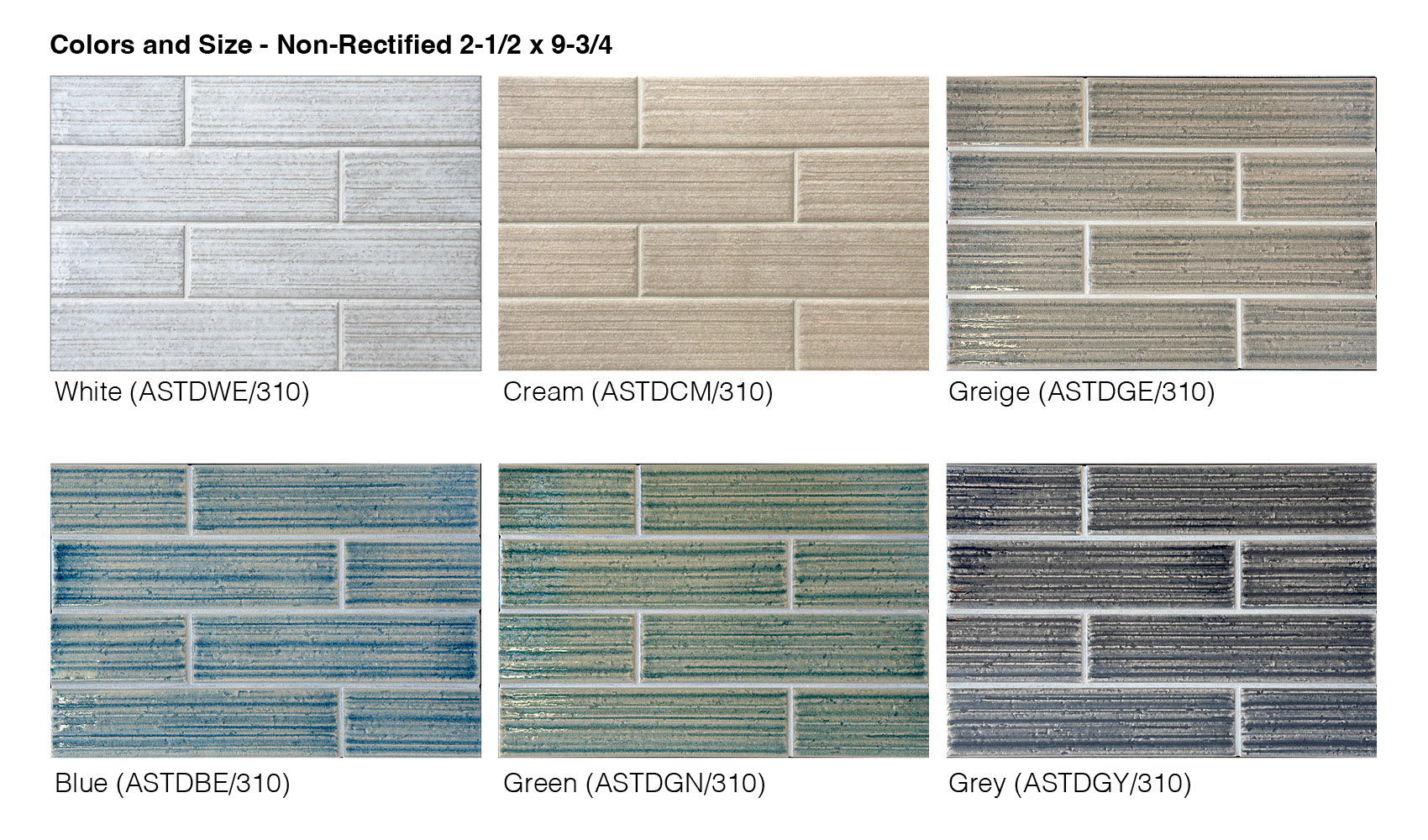
Colors & Size
| Colors | ||
|---|---|---|
| ASTDBE | Blue | |
| ASTDCM | Cream | |
| ASTDGE | Greige | |
| ASTDGN | Green | |
| ASTDGY | Grey | |
| ASTDWE | White | |
| Size - Non-Rectified | ||
| ASTD--/310 | 2-1/2 x 9-3/4 | |
Additional Information
Please Note
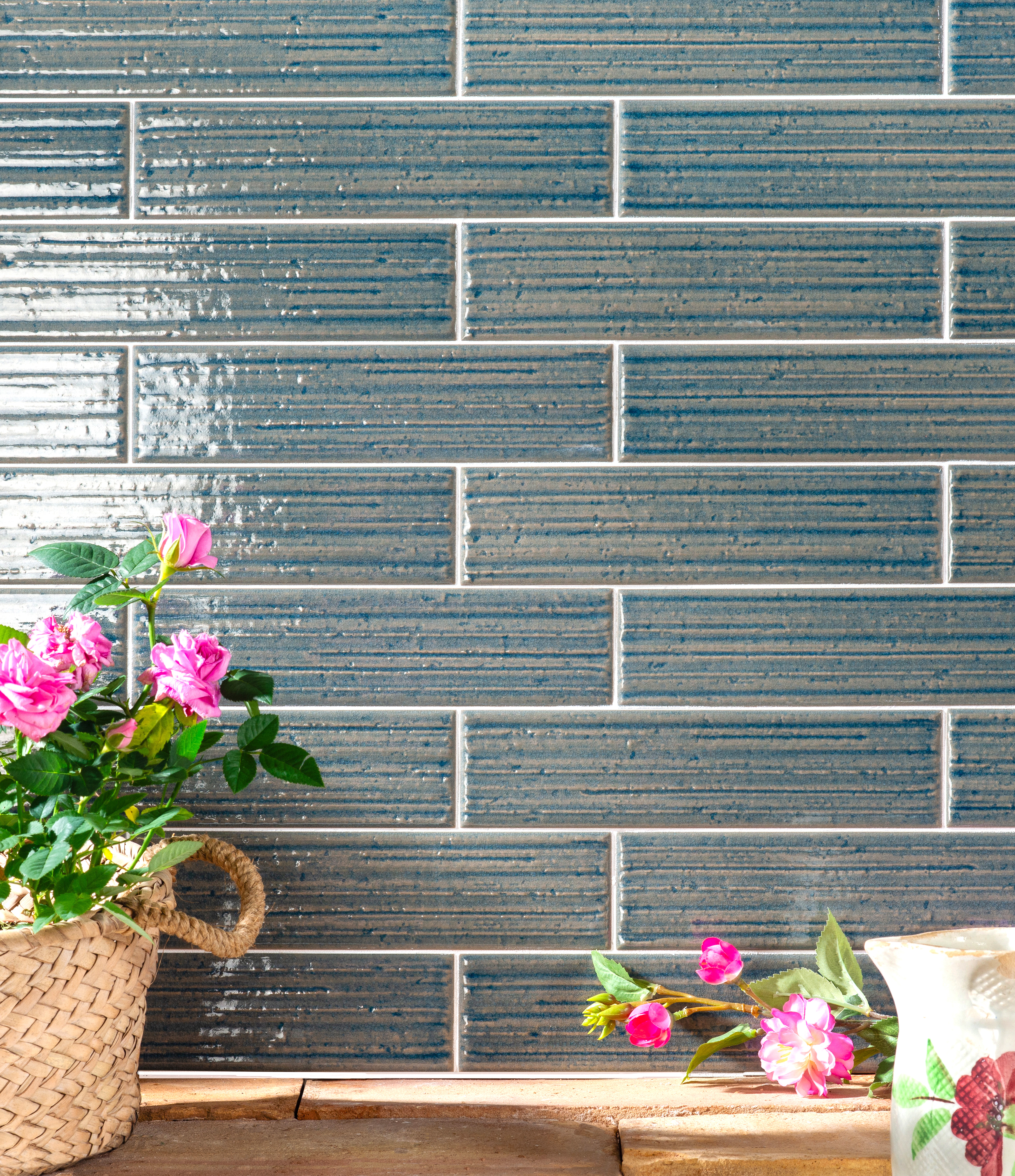
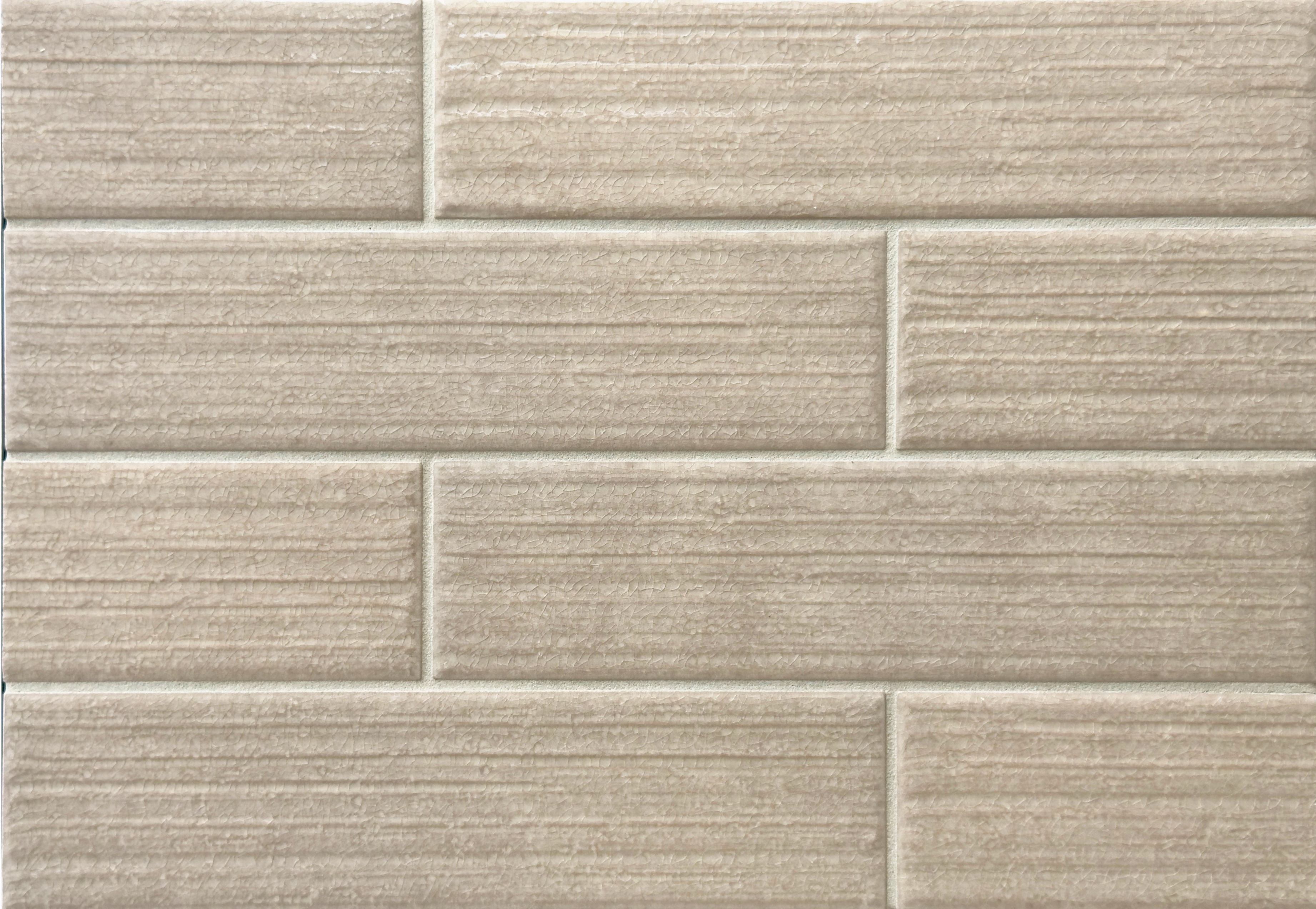
It’s never advisable to select tile from images alone, especially when viewed on a screen since they can look different on different kinds of screens. Pictures are provided to give an idea of the look and variation. Colors are intended as a guide only and may vary from actual tile. Sizes listed are nominal. Please check samples before making final selection and to get actual dimensions for layout.
Ordering
Due to the nature of this special material, orders must be for full boxes only. Please note that we do not accept returns in general. In the rare occurrence that we make an exception and do take a return of this product, only factory sealed full boxes can be accepted.
Usage and Installation Information
Tweed is intended for walls. Due to the style of this handcrafted look, the minimum recommend grout joint is 3/32”. It is important to work with the layout, blending pieces with different hues, within each carton and pulling from several cartons, to get the proper blend during installation. This material is non-rectified, and there may be slight differences in the size and shape of the pieces.
PLEASE NOTE: Tweed has a craquele glaze that has similar characteristics to other craquele glazes. This means that it needs to be sealed during installation and periodically after installation because water can seep through the cracks that create the craquele effect. However Tweed has the advantage of being on a very non porous biscuit (less than 2% water absorption) whereas most other craqueles are on much more porous biscuits that can absorb more water and substantially darken the biscuit, temporarily changing the color when saturated. (Note: this temporary darkening can happen on porous biscuit that gets saturated even when the glaze is not craquele.) This can also happen with Tweed because part of the effect is to let the clay body show through the translucent glaze, but it would take a lot of water for that to happen and the resultant, temporary change is less obvious. This is mitigated by regular sealing. All craquele glazes may continue to craquele over time and resealing is highly recommended every 6 months based on usage and application. If one has concerns about doing the recommended regular maintenance, they should not use Tweed in wet areas where it can be saturated e.g. showers. The factory recommends using FILA MP90 Eco Xtreme.
Please also note that this type of glaze uses metal to achieve its reactive nature and it is somewhat delicate. It may react negatively to acid products or aggressive cleaning agents, and they should not be used. It is recommended to use neutral detergents for cleaning, both immediately after laying and for daily maintenance. It is important to avoid the use of anti-limescale products, as they may dull the surface and impair its appearance. Due to these special glazes, this line is not suitable for swimming pools.
Contrasting dark grouts, especially black, should NOT be used. It can leave a film that is difficult to completely remove. It is also problematic because the grout will highlight every tiny irregularity and it will emphasize any flaws in the installation.