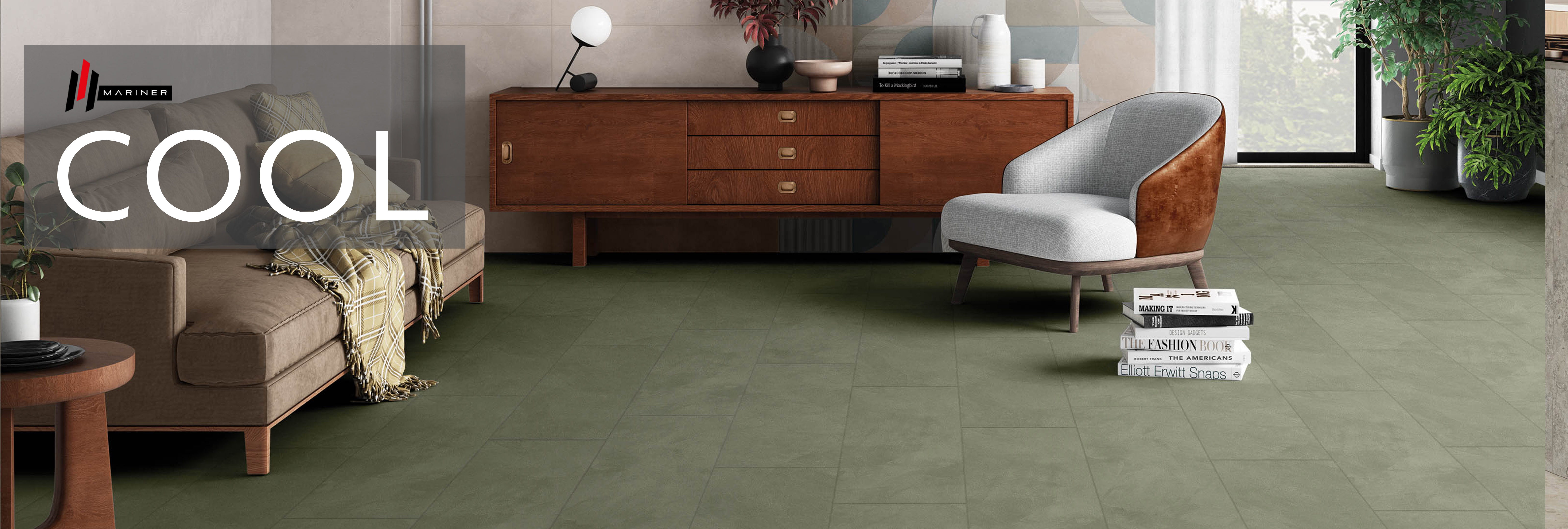
Mariner Cool | Italian Porcelain Tile
Mariner’s Cool series has the look of a freshly plastered wall. The graphic is very soft with subtle movement, and the surface has areas that are matte and areas with a semi-gloss sheen, making the tile come alive as it is touched by the light. The color palette of Cool is all about warmth with a warm white, grey, almond and green. The factory designed this 12 x 36 series as a wall tile but, as a porcelain, it is also suitable for floors.
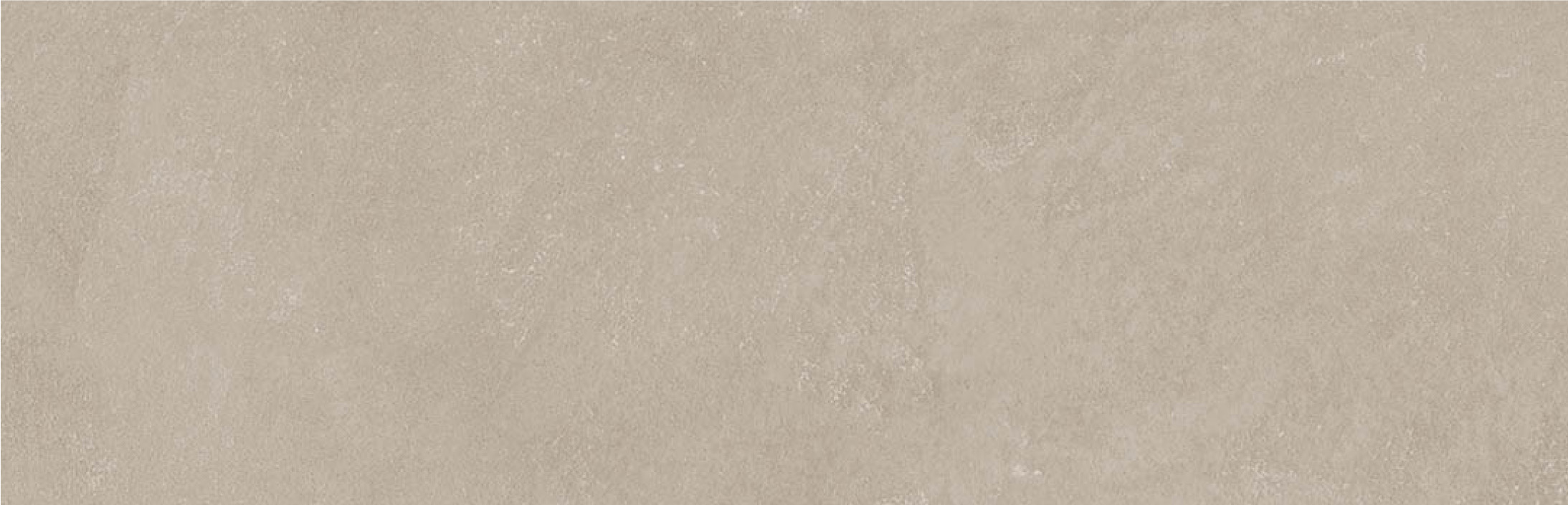
Almond
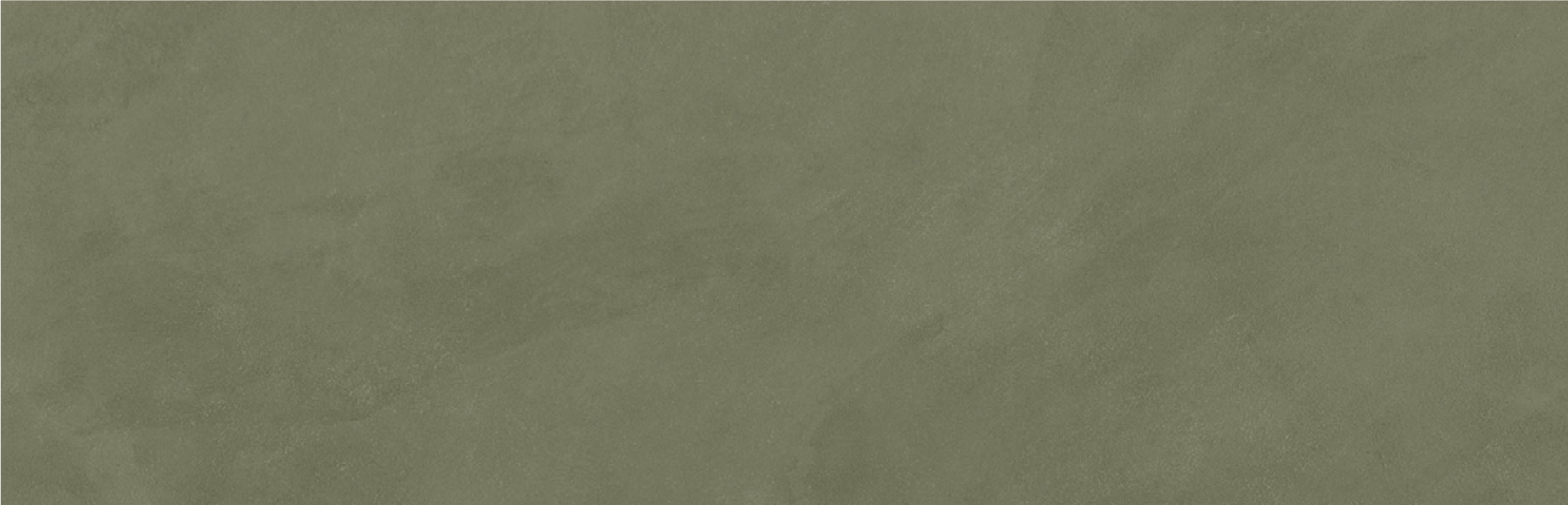
Forest

Ghost
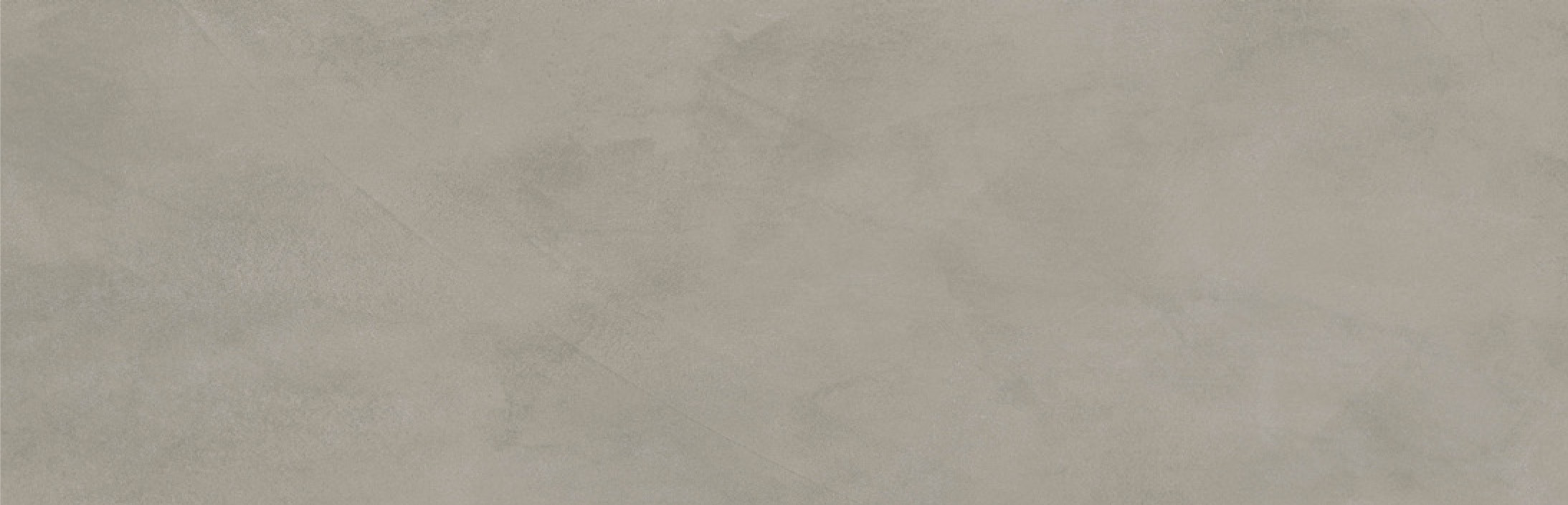
Steel
Colors, Size & Trim
| Colors | ||
|---|---|---|
| MRCLAD
| Almond | |
| MRCLFT | Forest | |
| MRCLGT | Ghost | |
| MRCLSL | Steel | |
| Size - Rectified | ||
| MRCL--/1236 | 12 x 36 | |
| Coordinating Trim | ||
| MRCL--/PB112 | 1/2 x 12 Pencil Bullnose | |
Additional Information
Images
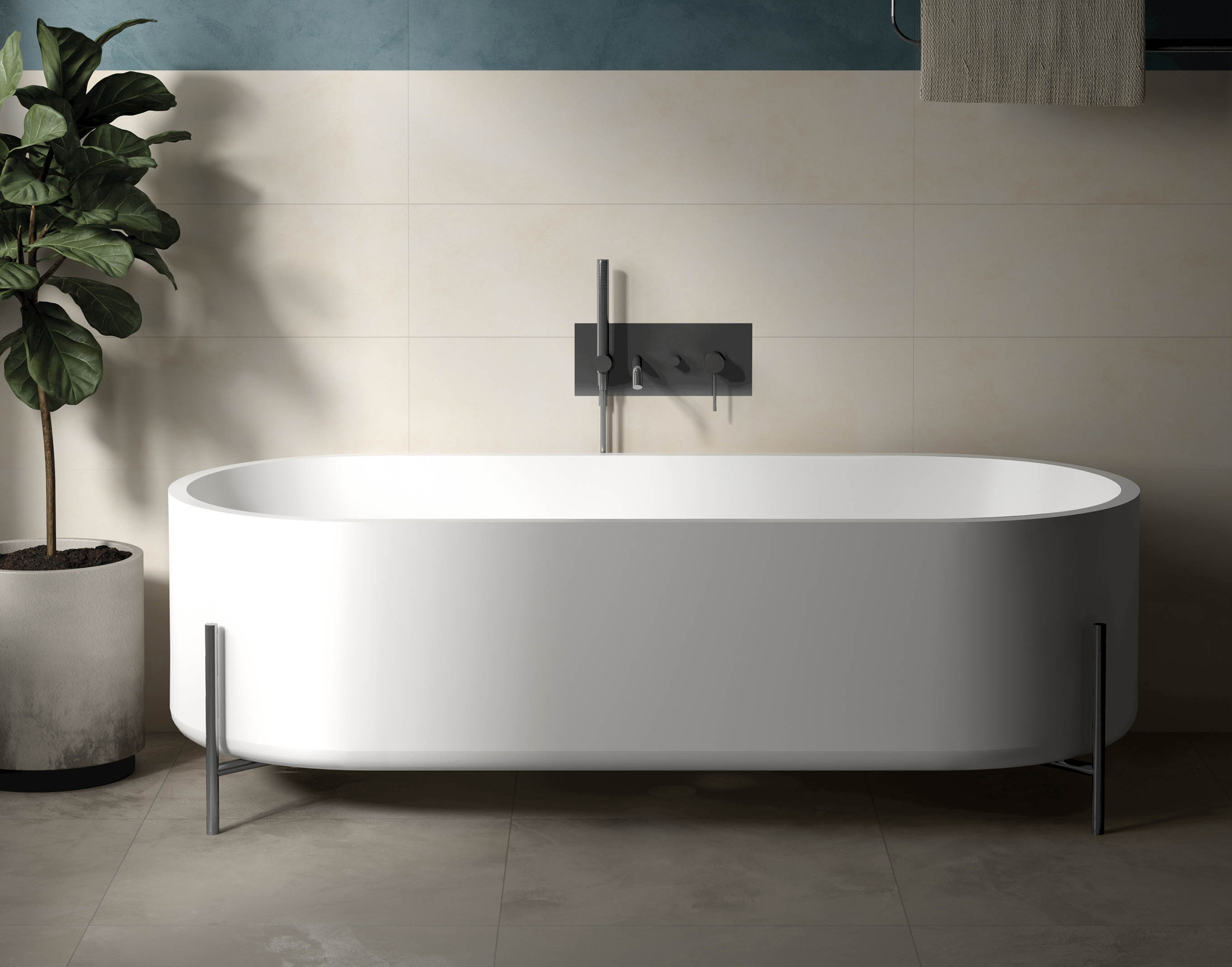
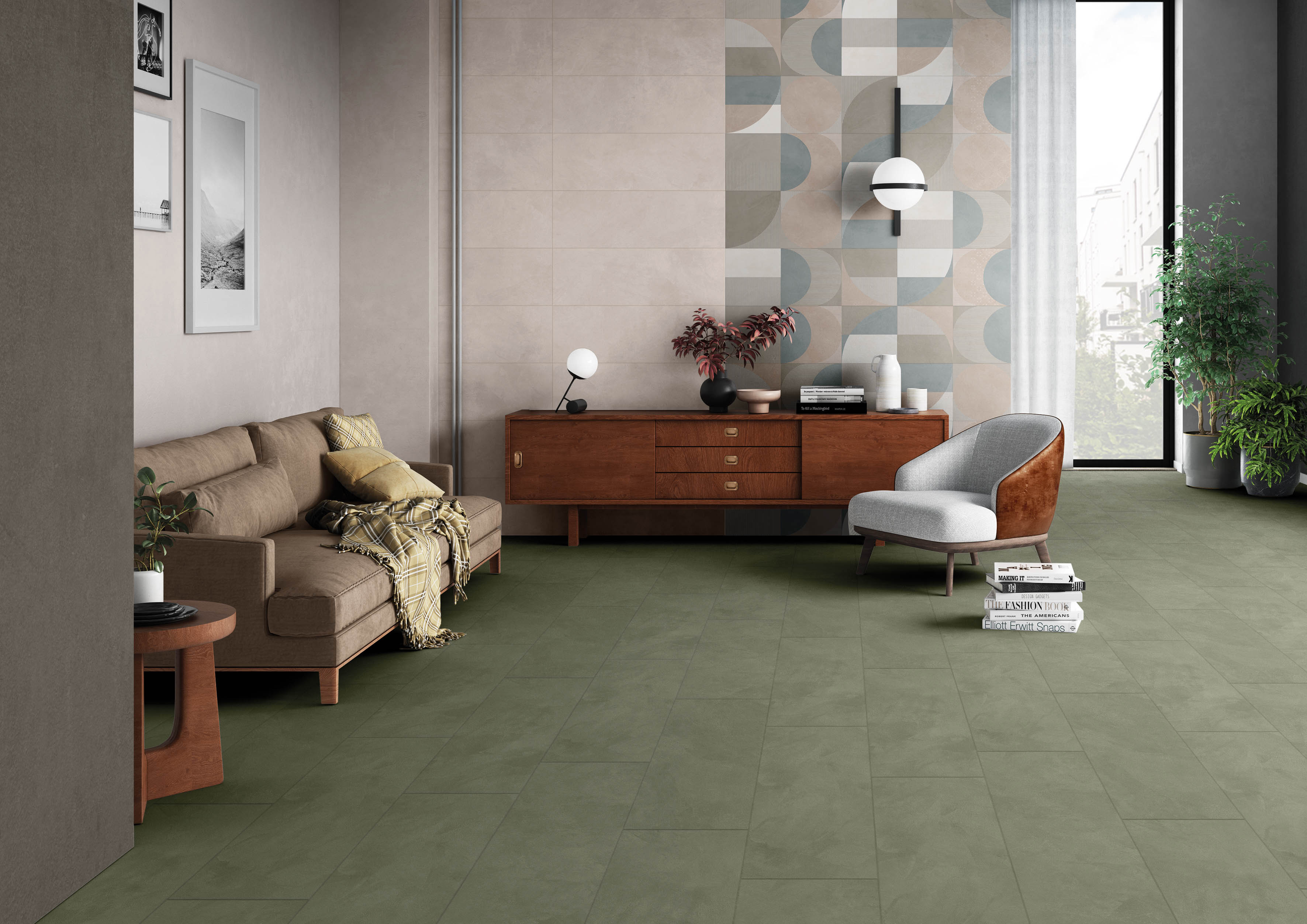
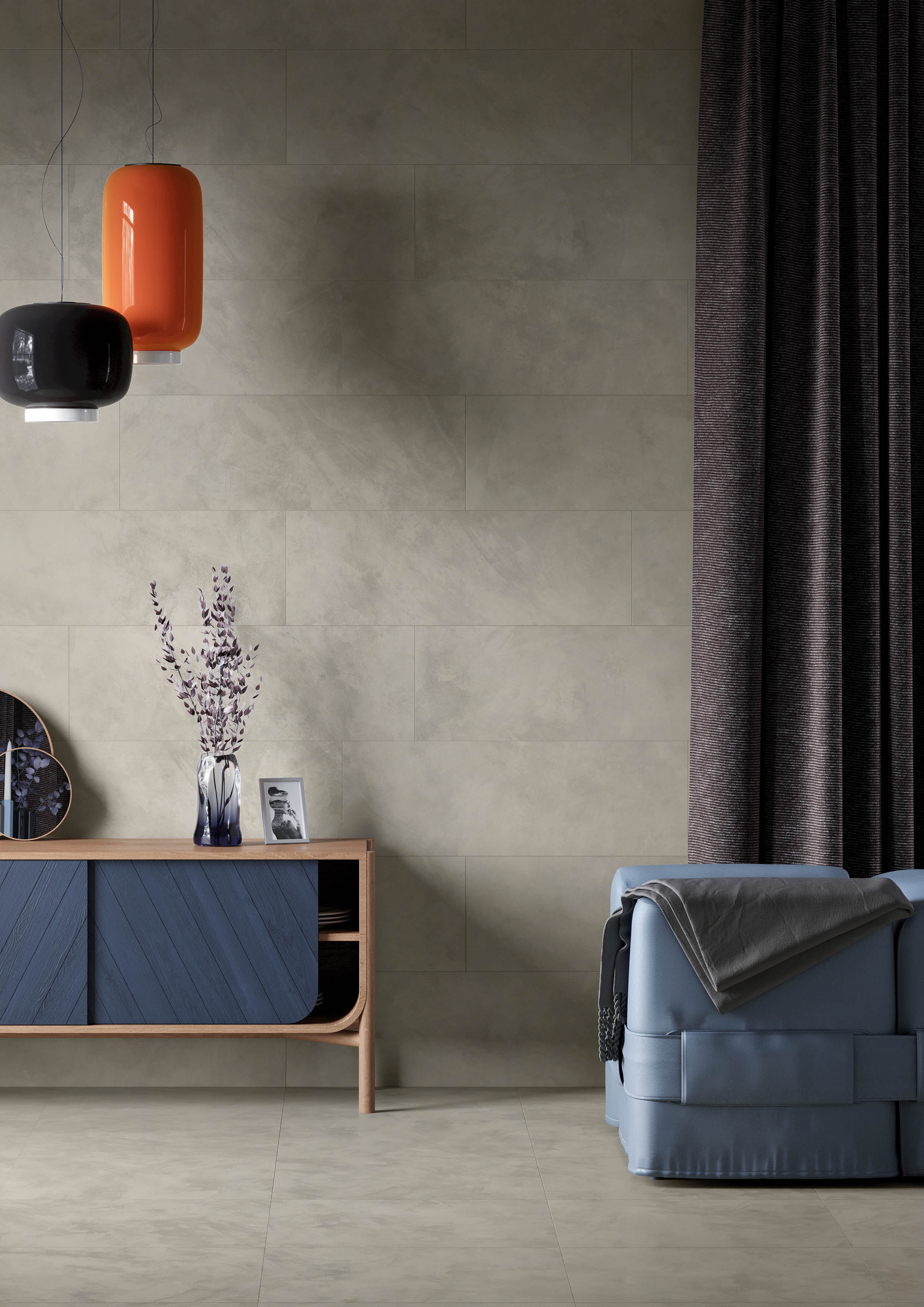
Please Note
It’s never advisable to select tile from images alone, especially when viewed on a screen since they can look different on different kinds of screens. Pictures are provided to give an idea of the look and variation. Colors are intended as a guide only and may vary from actual tile. Sizes listed are nominal. Please check samples before making final selection and to get actual dimensions for layout.
Coordinating Trim
Expect shade variation between field and bullnose.
Usage and Installation Information
Cool is suitable for residential and light commercial applications.
Most Italian manufacturers recommend a maximum offset of 8” (20cm) on all large format tiles when setting a running bond. Please refer to ANSI requirements for setting large format tiles (ANSI A 108.2 Section 4.3.8). There are special setting requirements and materials for large format tiles. Please refer to the TCNA Handbook and guidelines by your mortar manufacturer for more information.




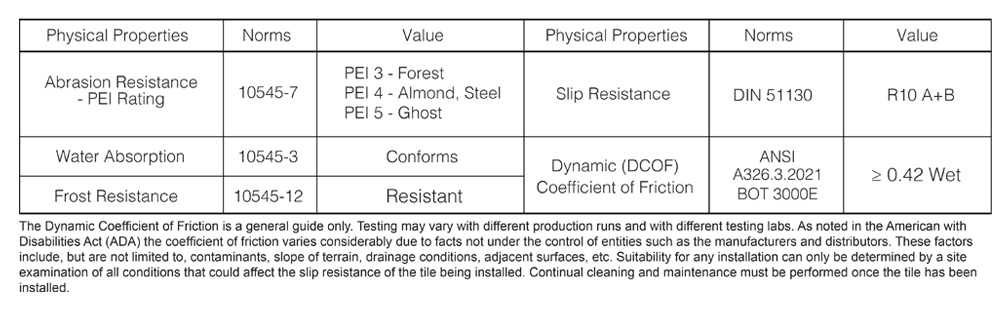
The Dynamic Coefficient of Friction is a general guide only. Testing may vary with different production runs and with different testing labs. As noted in the American with Disabilities Act (ADA) the coefficient of friction varies considerably due to facts not under the control of entities such as the manufacturers and distributors. These factors include, but are not limited to, contaminants, slope of terrain, drainage conditions, adjacent surfaces, etc. Suitability for any installation can only be determined by a site examination of all conditions that could affect the slip resistance of the tile being installed. Continual cleaning and maintenance must be performed once the tile has been installed.